In defence of Meghan: why naming empire is not an act of treason
Why Meghan Markle, an American woman of colour who married into the House of Windsor, dares to speak


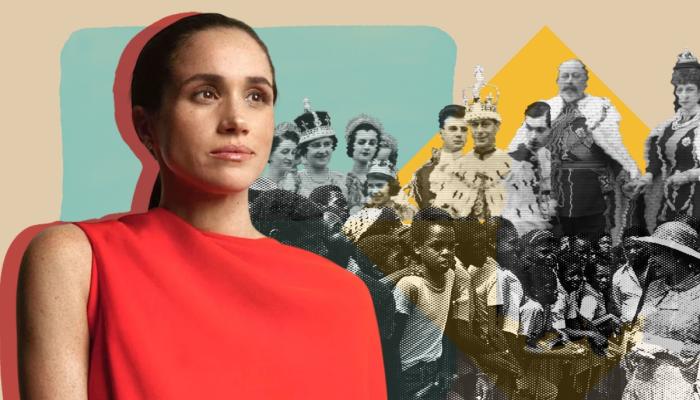
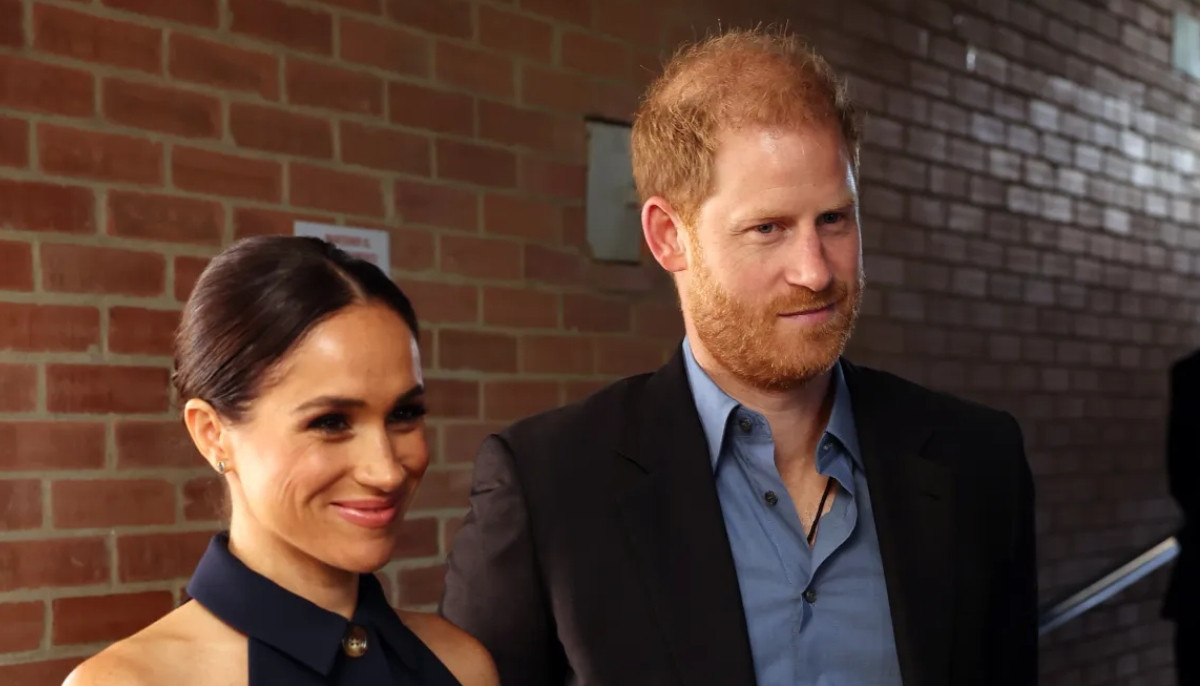
There is a particular kind of British indignation, a soft-gloved fury, that emerges only when the monarchy is forced to look into a mirror it did not commission. The convulsions over Prince Harry and Meghan Markle’s Netflix docu-series prove just that. The rage is not about accuracy, nor about timing, nor even about respect for the late Queen.
It is about the audacity of calling an empire by its name.
In the series, writers and scholars describe the Commonwealth as “Empire 2.0,” a phrase that has sent palace insiders into paroxysms of moral distress. A former royal adviser called it an attack on Queen Elizabeth II’s “life’s work,” as though the very architecture of the modern Commonwealth were not built atop the rubble of a violently extracted world.
But here is the rarely spoken truth: the Commonwealth is the afterlife of empire. A political seance designed to keep former colonies in orbit around the imperial centre long after the flag was lowered. Calling it anything else is historical convenience dressed up as decorum.
A benevolent club, or an elegantly disguised continuity?
The Commonwealth is repeatedly marketed as a “family of nations,” the monarchy’s favourite euphemism, a phrase that disguises asymmetry as affection. Families suggest equality; empires do not. Families imply mutaul benefit; empires extract.
The British Empire’s holdings once stretched across a quarter of the earth’s landmass, sustained by the forced labour of people whose nations were folded, without consent, into London’s ledger. The Commonwealth grew directly out of that inheritance. It is the monarchy’s way of soft-power laundering its past, transforming subjugation into “shared history” and plunder into “partnership.”
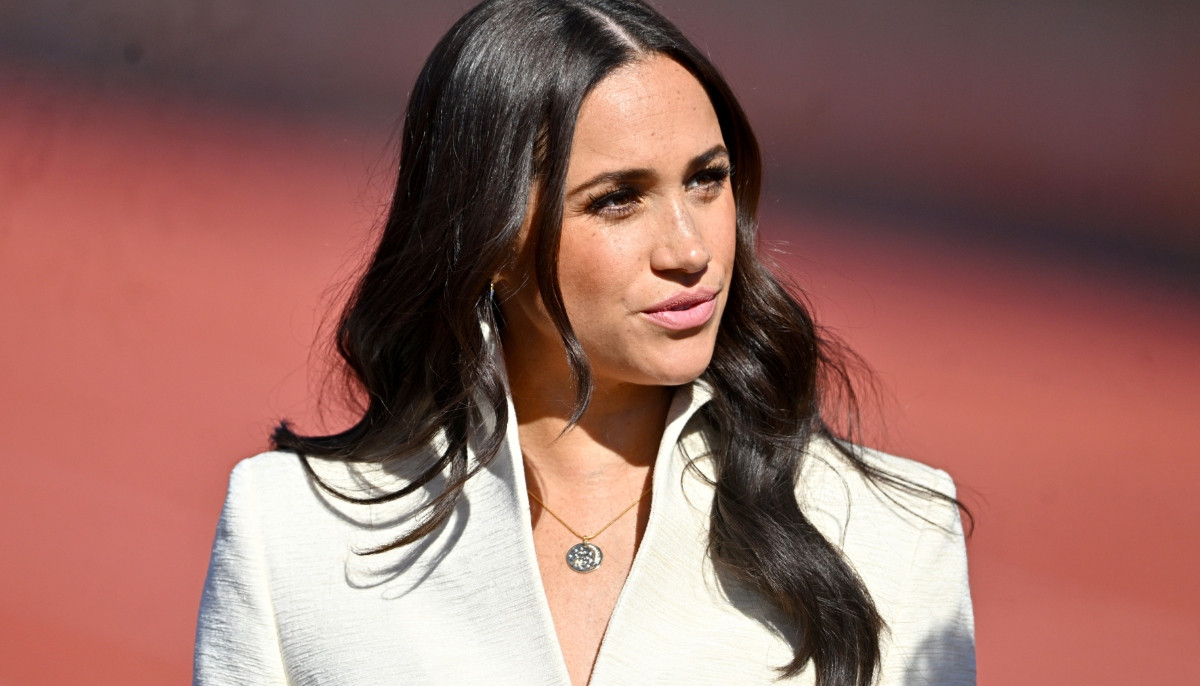
So when Meghan Markle, an American woman of colour who married into the House of Windsor, dares to speak, or even appear in content where others speak, about these structural continuities, she becomes a lightning rod for centuries of unresolved imperial guilt. The monarchy can tolerate dissent from academics, activists, even former colonies. But from inside its own gilded walls? That is sacrilege.
The rage is about memory
Much has been made of the timing: the series debuted exactly three months after Queen Elizabeth II’s death. Insiders insist these critiques strike at her “life’s work,” as though the Queen were personally responsible for designing an entire geopolitical structure rather than inheriting it, nurturing it, and presiding over it with studious neutrality.
But the outrage is misplaced. The Queen did not create the conditions critics describe. The empire did. And empire was not an unfortunate footnote to her reign; it was the stage on which her power stood. To defend her legacy while refusing to interrogate the foundation of that legacy is not reverence.
One must ask: why does calling the Commonwealth “Empire 2.0” feel like a personal insult to the monarchy? Because the institution is built on the presumption that its past can be endlessly romanticised while its consequences remain forever unspoken.
What the critics fear the most
The scholars featured, Afua Hirsch, Kehinde Andrews, merely articulate what many in the Global South have long understood: that economic subordination did not end with independence ceremonies. Today, many Commownealth countries remain intergenerationally impoverished, not because of cultural failings or political missteps, but because the empire’s departure was as calculated as its arrival.
Borders were drawn, industries were scaffolded around export dependence, and resource economies were structured to serve European markets long after the Union Jack came down. To point this out is not to “attack the Queen”; it is to describe the world as it exists.
Professor Andrews’ remark, tht the conditions of Black people in many Commonwealth nations are “almost just as bad as they were 50 or 100 years ago” is not hyperbole. It is
The real question
So the issue is not whether the Commonwealth is “Empire 2.0.” It is why the world is still asked to pretend it isn’t.
Royal defenders warn that these remarks “go to the root of attacking her legacy.” But perhaps that root is precisely what needs examining. Legacies built on empire, no matter how softly spoken, no matter how dutifully performed, require scrutiny, not sanctification.
If the Commonwealth truly wishes to outgrow its imperial shadow, then the first step is acknowledging that the shadow exists.
And if it takes a duchess from California, one who understands the weight of history on darker skin, to rupture that silence, then perhaps we should thank her for saying what many others have been punished for even whispering.
RELATED: Prince William wants to fix the climate crisis that his own family helped create