New documentary reveals hidden reasons behind Titan Oceangate tragedy
Netflix’s new documentary exposes what really went wrong with the Oceangate submersible Titan


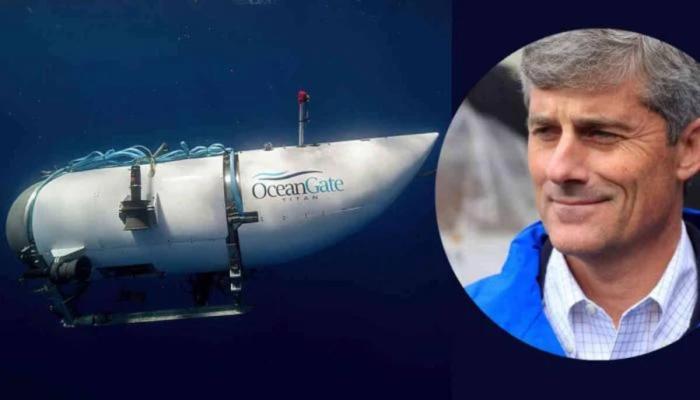
On June 11, Netflix released a chilling documentary about the Oceangate Titan explosion incident. The incident took lives of five people on including the Ocean Gate CEO, Stockton Rush.
In this feature, the streaming giant revealed the following reasons that led to this tragedy:
Major Safety Warnings Were Ignored by Leadership
David Lochridge, Oceangate's Director of Marine Operations, warned management and even authorities about the flaws in the sub's design as early as 2018. His safety report was buried, and when he pushed back, Stockton responded with hostility. Despite internal concerns about structural risk, the owner refused third-party testing, claiming internal review was "good enough."
The Carbon Fiber Hull Was Fatally Flawed
Stockton used a carbon fibre hull for their submersible. The show reveals that the primary reason for the use of this material was because it was cheaper and lighter. Engineers deduced that carbon fibre is unpredictable under extreme pressure. Microscopic fibre snaps can occur without warning, weakening the structure over time.
No Legal Oversight or Jurisdiction
The underwater vehicle wasn't registered under any country's flag. Capt. Jason Neubauer of the U.S. Coast Guard said this effectively put it outside the reach of all maritime safety laws. This was allegedly deliberate.
An Oceangate operations technician revealed that Stockton planned to launch it from Canada and register the vessel in the Bahamas so it wouldn’t fall under U.S. jurisdiction. He further added that if the coastguard became a problem, he would buy himself a congressman and make it go away.
Failed Business Model
Stockton was more interested in making money out of it than prioritizing safety of people onboard. An expedition leader at the company mentioned that their objective was more oriented towards selling the idea of visiting the wreck of the Titanic. Employees also confirmed that the CEO was more of a businessman than an enthusiast of ocean exploration, as he often projected himself to be. He idolised tech entrepreneurs and wanted to be next to Jeff Bezos or Elon Musk.
Toxic, Cult-Like Company Culture
The work environment at Oceangate was described as "cult-like", where dissent wasn't tolerated. Employees feared being publicly reprimanded or fired if they challenged Stockton Rush. Later, he took hiring shortcuts, often replacing experienced professionals with recent graduates. Official emails show he was narcissistic, temperamental and arrogant.
So, the Titan was not just an unforeseen misfortune but the result of willful negligence, an ego-driven decision, and a hidden business motive disguised as the pursuit of deep-sea exploration.
RELATED: Netflix’s OceanGate documentary leaves fans shocked