Untouchable thrones, animal hides: Strange Coronation rites around the world
From donning lions' hides to corroborate their credibility to dramatic reveals in ostentatious robes, coronation around the globe is an exhibit of...


With Britain’s newest monarch, King Charles III, set to be crowned in an official coronation ceremony later this week, it brings attention to the archaic albeit exalted royal traditions around the world...
Dr. Elena Woodacre, a reader in renaissance history at the University of Winchester notes that the concept of monarchy indisputably “runs on ritual and ceremony.”
She directed the attention at the extraordinary elements that are distinct to each state and eminent to entail "some kind of installation or enthronement."
"These elements are important both for reaffirming the sovereign's role but also reaffirming the relationship between the monarch and the subject," she adds.
From robes made from hides of hunted animals to the sacrosanct chairs not made for sitting, here’s a look at the many ways monarchies are celebrated around the globe.
Spiritual Renaissance:
On May 6, King Charles will officially be granted the reigns of England. However, the ceremony won’t be rendered valid until he’s anointed using holy oil made with a secret recipe.
The Archbishop of Canterbury will perform the most sacred ritual of the whole ceremony by anointing the King’s head, chest, and hands.
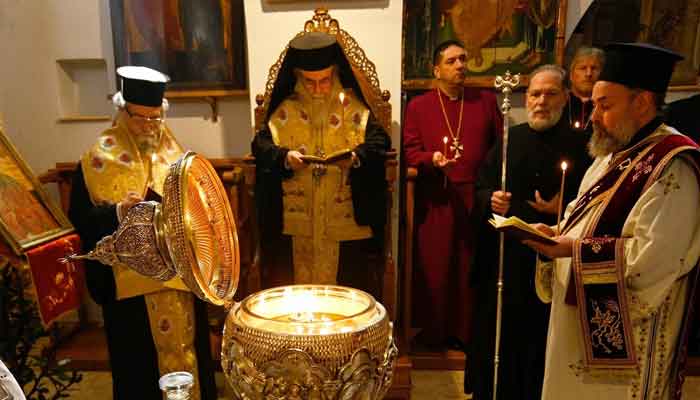
It is done to corroborate the spiritual status of the sovereign, who will also be conferred with the dominion of the Church of the State.
Similar to this, in Thailand, the monarch is "purified" with water convened from more than 100 sources across the country precisely between 11:52 and 12:38 local time before they are deemed “spiritual enough” to rule.
Thrones of Sanctity:
A coronation chair will be at the disposal of King Charles to sit and enjoy the hours-long ceremony on the coronation day.
The special furniture is made from oak and has been used as the seater for Kings for the last seven centuries.
The Asantehene, the ruler of present-day Ghana, is raised and lowered but sat on, over what is known as the Golden Stool – the Sika Dwa Kofi.
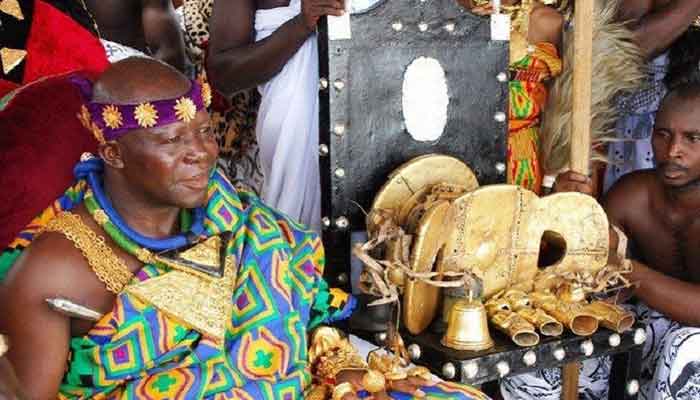
The holy chair, which is too sacred to use for sitting, is believed to represent the "soul" of the Ashanti people – an emblem in fact too sensitive to encumber.
The Dramatic Obscurity:
Despite being an allegory for the spiritual potency of a monarch, the rite of anointing is done in secret.
For the British monarch, a canopy is held above him while he is being anointed as a veil against the onlookers, while the congregation carols, "God Save the King!"
Conversely, in Japan, the emperor is unveiled from behind a set of purple curtains on a pavilion known as the Takamikura, as an ancient sword and jewel rest beside him.
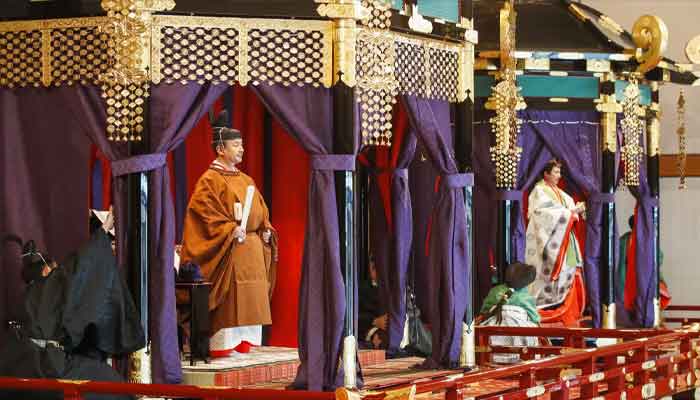
He is intricately dressed in a special yellow-orange robe for the occasion.
The Japanese monarch is then obliged to peruse a formal proclamation amidst the chants of "Banzai!" from the attendees, meaning "long live the emperor."
Elaborate Connotations:
The manually labored attires of the soon-to-be crowned monarchs at the coronation serve to reinforce their status as the sovereign, while their artisans look on from the sidelines.
Special robes are hand wrought for King Charles for his upcoming big day, which includes a long red velvet cloth adorned with intricate gold lace, and lined in expensive white fur called ermine.
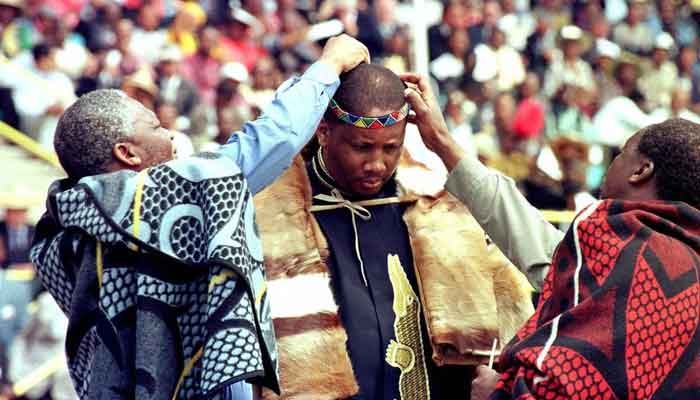
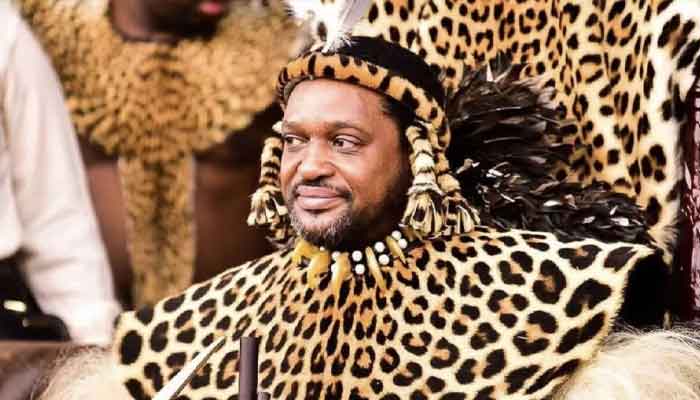
The Zulu King, one of the most influential of South Africa’s eight monarchs, makes use of other subservient creatures but man and wears the hide of a lion they hunted to their special day.
Gaudy Crowns:
The controversies with the most significant emblem of an emperor are one too many, including Britain’s alleged unlawful ownership of Queen Mother’s Crown embellished with Koh-i-Noor, widely known to be the property of India.
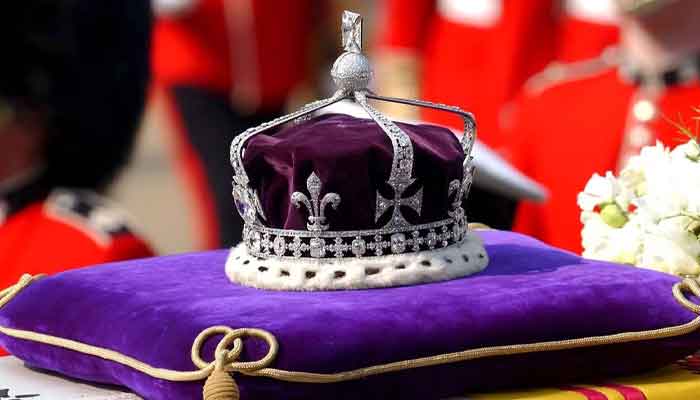
Hence, to steer clear of any chaos that would direct the attention of the public to the problematic history of the monarchy concept, King Charles III opted to be crowned with the St Edward’s Crown, which is made of a solid gold frame set adorned with rubies and sapphires.
He will later don the conventional Imperial State Crown passed down from the late Queen Elizabeth II to her son.
In Lesotho, the monarchs feign humility by wearing a calfskin headband subtle to the eyes and sometimes wear traditional animal skins and a blue tunic with an embroidered gold crocodile during the ceremony.